Composting and worm farming
Composting your food scraps at home will:
- nurture your garden soil
- help you grow lush green gardens and delicious organic food
- reduce the need to transport your scraps to processing facilities.
Woollahra residents are eligible to receive discounts of up to 70% on compost bins and worm farms through our Compost Revolution program.
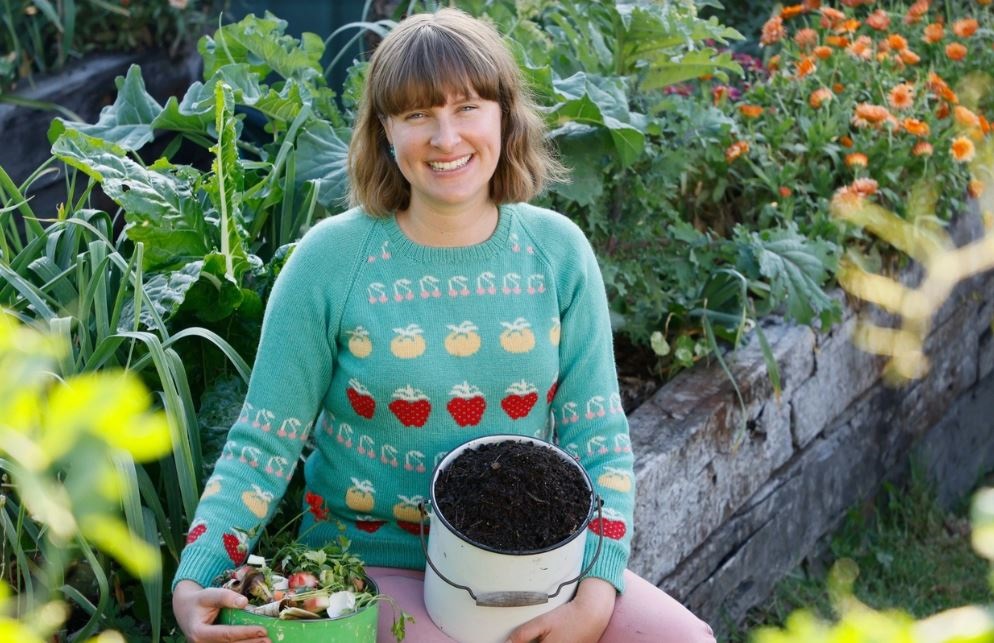
Composting
Compost bins are a good choice if you have lots of food waste, garden clippings and a sunny place to put the bin.
5 tips to start composting at home
A healthy compost system needs: food, air, moisture and a good location.
- Set up your compost bin in a sunny area.
- Add your food scraps.
- Add a similar amount of dry, brown materials.
- Stir the contents together using an aerator or gardening tool. Water as needed (compost should be moist but not too wet).
- Add a top layer of brown materials to avoid smells and pests. Secure the lid and you’re good to go!
Your compost needs a balanced diet of 50% green materials and 50% brown materials. This balances the nitrogen and carbon, supporting efficient breakdown of the scraps.
What can go in my home compost bin?
Green materials
- Fruit and vegetable scraps (including garlic, chilli and citrus)
- Green leaves
- Coffee grounds, tea leaves and plastic free tea bags
- Grass clippings
- Herbivore manure
- Seaweed
- Eggshells
Brown materials
- Dry leaves
- Shredded newspaper and cardboard
- Straw
In small amounts
- Dairy
- Meat, seafood and bones
Avoid
- Cooking oils
- Plastic or plastic coated products
- Glossy magazines
- Dog and cat waste
- Diseased plants or weeds
- Wood chips
- Egg cartons
Worm farming
Worm farms are a good choice if you have limited space such as a courtyard or balcony, smaller amounts of food waste and a protected area to place the worm farm.
5 tips to start worm farming at home
Healthy worms need: air, moisture, food, and shelter protected from direct sunlight and rain. As worms have sensitive skin they need a comfortable temperature, darkness, and to be kept moist but not soaked.
- Choose a sheltered place to set up your worm farm.
- Add your food scraps. Only feed the worms as much as they eat. Give them some time to breed then gradually start feeding them more.
- Add a similar amount of dry, brown materials.
- Worms also need air, so every now and then give the worm farm a stir with a gardening tool.
- Cover your worms with a worm blanket, old towel or damp newspaper then secure the lid.
Your worm farm also needs a balanced diet of 50% green materials and 50% brown materials. This balances the nitrogen and carbon, supporting efficient breakdown of the scraps.
What can go in my worm farm?
Green materials
- Most fruit and vegetable scraps
- Coffee grounds, tea leaves and plastic free tea bags
Brown materials
- Dry leaves
- Shredded newspaper and cardboard
- Toilet rolls
- Straw and hay
- Coffee husks
- Egg cartons
- Coconut coir
Avoid
- Garlic, onions, ginger and chilli
- Citrus and pineapple
- Meat, seafood and bones
- Dairy
- Cooking oils
- Fresh grass clippings
- Plastic or plastic coated products
FAQs
How do I access the Compost Revolution discounts?
Woollahra residents are eligible to receive discounts of up to 70% on compost bins and worm farms through our Compost Revolution program.
To access the discounts you need to:
- Be a resident of Woollahra, Randwick or Waverley Council area.
- Select from the range of discounted products on the Compost Revolution website.
- Complete a short tutorial and quiz.
Should I still use my green-lid bin if I’m composting at home?
Your green-lid organics bin can complement your home composting as it can take some things that are best avoided or minimised in your compost. This includes weeds and weed seeds, excess lawn clippings and leaves, meat, bones and dairy products.
Can we compost in an apartment block?
Yes, many people compost and worm farm in apartment blocks, either on their balcony or in common areas. Remember to seek permission from the Owners Corporation and find others in your block to help champion the project. You'll find more tips in our Guide for Apartments(PDF, 577KB).
I can't manage to compost at home, what should I do?
If you don't have time, space or capacity to compost at home put your food and garden scraps in your green-lid organics bin.
More information